
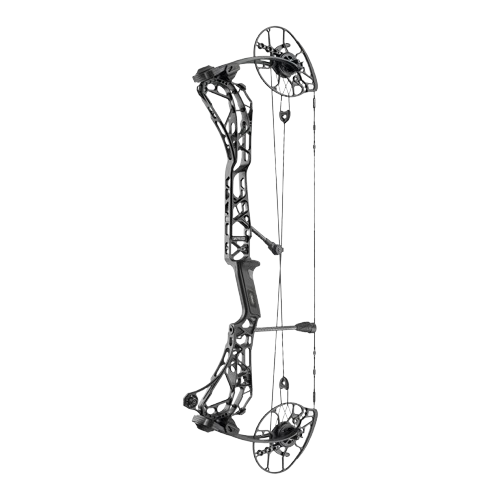
2026 Mathews ARC 30
Mathews ARC 30 Compound Bow – 2026 Flagship Hunting Bow
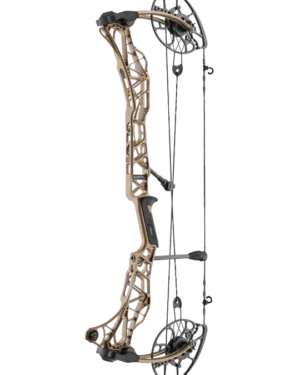
Experience unmatched performance with the Mathews ARC 30 compound bow – the ultimate lightweight, high-speed hunting bow built for serious archers and whitetail hunters. This compact 30-inch axle-to-axle powerhouse delivers blistering 348 fps IBO speeds while weighing just 3.99 lbs, making it one of the fastest and most maneuverable lightweight compound bows on the market in 2026.
Whether you’re tree stand hunting, stalking, or chasing fast-paced action, the Mathews ARC 30 combines explosive speed, dead-in-hand silence, and rock-solid stability like never before. Its redesigned SWX-2 cam system with Perimeter Weight Technology maintains real-world velocity even when fully rigged with peep, D-loop, and accessories – giving you flatter trajectories and more forgiveness in the field.
Perfect for both experienced bowhunters and those stepping up to premium archery equipment, this quiet compound bow sets a new standard for what a flagship hunting bow should feel like: smooth, stable, and incredibly quiet at the shot.
Key Features & Benefits:
- Ultra-Compact 30″ Axle-to-Axle Design – Extremely maneuverable in tight tree stands or thick brush while delivering surprising stability for a short bow.
- Lightning-Fast 348 FPS IBO Speed – One of the fastest hunting compound bows available, with excellent speed retention for ethical, high-energy shots on game.
- Feather-Light 3.99 lb Bare Weight – Easy to carry all day during long hunts without fatigue – ideal for backpack hunters and mobile setups.
- 6″ Brace Height – Forgiving and accurate, perfect for hunters who want confidence at full draw.
- Adjustable Draw Length (25–30.5″) & Weight (55–80 lbs) – Customize with SwitchWeight X modules for a perfect fit; 80% or 85% let-off options for comfort and control.
- Redesigned SWX-2 Cam System – Ultra-smooth draw cycle with reduced felt recoil and maintained speed even after adding accessories.
- Advanced Riser & Limb Geometry – Reinforced chassis provides exceptional rigidity and vibration dampening for a noticeably quieter, more stable shot.
- Integrated Accessory System – Built-in Silent Connect System (SCS), Bridge-Lock side bar mount, and optimized stabilizer mounts – no more bolt-on guesswork.
- Exceptional Quiet & Low Vibration – One of the most silent compound bows ever tested, helping you stay undetected on wary game.
The Mathews ARC 30 isn’t just another fast compound bow – it’s engineered for hunters who refuse to compromise on speed, stealth, or shootability. Whether you’re upgrading your archery hunting bow setup or looking for the best lightweight compound bow for 2026, this bow delivers premium performance that translates directly into more filled tags.
How to Choose Your First Compound Bow?
How to Choose Your First Compound Bow: Beginner’s Guide
Choosing your first compound bow can feel overwhelming, but focusing on the right factors will set you up for success and help you avoid common beginner mistakes. Whether you're interested in target archery or bowhunting, here's what every new archer should consider when buying a beginner compound bow.
1. Determine Your Draw Length Your draw length is one of the most important measurements. It ensures proper form, accuracy, and comfort. A simple way to estimate it is to divide your arm span (in inches) by 2.5. For best results, visit an archery pro shop for a professional fitting — an incorrect draw length can cause poor accuracy and even injury.
2. Select the Right Draw Weight As a beginner, start with a lower draw weight that you can comfortably draw and hold. Most beginners do well with 40–50 lbs (or even lower for youth and smaller-framed shooters). Look for adjustable compound bows that let you increase weight as your strength and technique improve — this “grow-with-you” design is ideal for first-time buyers.
3. Consider Axle-to-Axle Length and Brace Height Longer axle-to-axle (ATA) bows (32–34 inches) are generally more forgiving and stable, making them excellent for beginners. A higher brace height (6.5–7.5 inches) also offers more forgiveness on imperfect shots. Shorter bows are more maneuverable for hunting but less forgiving for new archers.
4. Test the Feel and Smoothness Draw cycle smoothness, let-off percentage, and overall balance matter a lot. A smooth-drawing beginner compound bow with good let-off (65–80%) reduces fatigue and helps you focus on form. Always try before you buy at a local shop.
5. Set a Realistic Budget Quality first compound bows for beginners range from $300–$800 for a ready-to-shoot package (including sight, rest, quiver, and arrows). Avoid ultra-cheap options that lack adjustability.
Pro Tip: Visit our archery pro shop for great options that meets every category of archers and get expert advice and suggestions when getting your first bow. Many top beginner compound bows in 2026 offer wide adjustment ranges and excellent value.
By prioritizing proper fit (draw length & weight), forgiveness, and adjustability, you'll enjoy archery more and progress faster with your first compound bow.
Best Budget Compound Bows Under $500 in 2026
Best Budget Compound Bows Under $500
Finding the best budget compound bows under $500 is easier than ever, with several excellent options that deliver great performance without breaking the bank. These beginner-friendly bows are perfect for new archers who want quality, adjustability, and value in an affordable package.
Here are some of the top things to look for when choosing a budget compound bow under $500:
- Adjustable Draw Weight & Length — Essential for beginners. Most good models under $500 offer wide adjustment ranges so the bow can grow with you.
- Smooth Draw Cycle — Look for decent let-off (65–80%) to reduce fatigue during practice.
- Forgiving Design — Longer axle-to-axle length and higher brace height make the bow more stable and easier to shoot accurately.
- Ready-to-Shoot Package — Many top budget bows come complete with sight, arrow rest, quiver, and peep sight — saving you extra money.
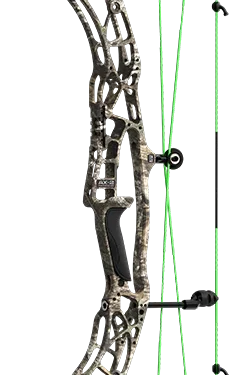
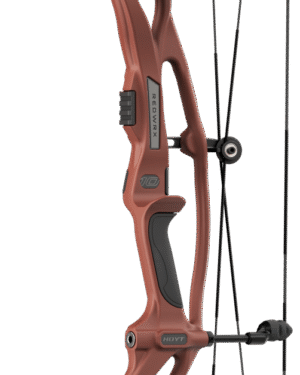
Top Picks for Best Budget Compound Bows Under $500 Popular choices in this price range often include reliable models from brands like Bear, Diamond, Hoyt, Mathews and PSE. These bows typically offer solid speed, good accuracy, and enough features to keep beginners motivated without overspending.
If you're just starting out, a quality budget compound bow under $500 can provide everything you need for target practice or even introductory bowhunting. Always test the bow at a local archery shop if possible, to ensure proper fit.
Pro Tip: Focus on adjustability and forgiveness rather than maximum speed when shopping in the sub-$500 category. This approach helps new archers build proper form and enjoy the sport longer.
How To Tune a Compound Bow for Better Accuracy?
Compound Bow Tuning for Better Accuracy: Beginner’s Guide
Proper compound bow tuning is one of the most important steps to improve your shooting accuracy and consistency. Even the best compound bow won’t perform well if it’s not correctly tuned. Here’s what every archer should know about basic compound bow tuning.
Why Compound Bow Tuning Matters A well-tuned bow ensures that your arrow flies straight and impacts where you aim. Poor tuning can cause erratic arrow flight, inconsistent groups, and frustration — especially for beginners.
Key Areas of Compound Bow Tuning:
- Arrow Rest Alignment Center the rest so your arrow runs perfectly through the center of the bow. A misaligned rest is one of the most common causes of left or right misses.
- Nocking Point & D-Loop Correct nocking point height is critical. Most archers start with the arrow level or slightly nocked 1/8" high. A properly tied D-loop ensures clean arrow release.
- Peep Sight Alignment Your peep sight must line up perfectly with your front sight when at full draw. Misaligned peep can throw off your entire shot.
- Cam Timing & Synchronization On two-cam bows, both cams should roll over at the same time. Improper cam timing often causes vertical stringing or poor arrow flight.
- Paper Tuning & Bare Shaft Tuning These simple tests help diagnose tuning issues quickly. Paper tuning reveals tears that tell you exactly what needs adjustment.
Pro Tip for Better Accuracy: Start by visiting our expert page for tuning advice, then fine-tune at home. Even small adjustments in arrow rest position or nocking point can dramatically improve your groups.
Regular compound bow tuning keeps your setup performing at its best and helps you shoot tighter, more consistent groups — whether you’re practicing in the backyard or preparing for hunting season.
How to Wax a Bowstring Properly?
How to Wax a Bowstring Properly: Step-by-Step Guide
Learning how to wax a bowstring properly is one of the easiest and most important ways to maintain your compound bow, increase its lifespan, and improve shooting consistency. A well-waxed string resists fraying, reduces wear, and helps the bow perform smoothly.
Why Waxing Your Bowstring Matters Wax protects the bowstring fibers from moisture, dirt, and UV damage. It also reduces friction between the string and cams, leading to quieter shots and better accuracy. Most experts recommend waxing your string every 100–200 shots or after every practice session if you shoot frequently.
How to Wax a Bowstring Properly (Step-by-Step):
- Clean the String First Use a clean, dry cloth to remove dirt, old wax residue, and debris from the entire string and cables.
- Apply Bowstring Wax Use a quality bowstring wax (silicone-based or natural wax). Rub the wax generously along the full length of the string and cables, focusing extra on high-wear areas like the cam grooves and serving.
- Work the Wax In Use your fingers or a soft cloth to massage the wax deeply into the fibers. This ensures the wax penetrates and protects the inner strands.
- Remove Excess Wax Gently wipe away any leftover wax with a clean cloth until the string feels smooth but not sticky. Too much wax can attract dirt.
- Let It Set Draw the bow a few times and shoot a couple of practice arrows. This helps the wax distribute evenly under pressure.
Pro Tip: Always wax your bowstring when it feels dry, fuzzy, or looks dull. Never use candle wax or household products — they can damage the string.
Properly waxing your bowstring takes less than 5 minutes but can significantly extend the life of your string and cables while keeping your compound bow shooting accurately and quietly.
What Is the Best Draw Weight for a Beginner?
What Is the Best Draw Weight for a Beginner Compound Bow?
Choosing the best draw weight for a beginner is crucial for building proper form, avoiding injury, and enjoying archery from day one. Starting with the wrong draw weight is one of the most common mistakes new archers make.
Recommended Draw Weight for Beginners For most adult beginners, the ideal starting draw weight is 40 to 50 pounds.
- Smaller-framed adults or women often do best starting at 35–45 lbs.
- Larger or stronger beginners can comfortably begin at 45–55 lbs.
Youth and younger teens usually start much lower, typically between 20–40 lbs, depending on age and strength.
Why Starting Light Is Better A draw weight that is too heavy forces you to struggle, leading to poor shooting form, muscle fatigue, and even shoulder or back strain. Starting with a manageable weight allows you to focus on technique, consistency, and accuracy. As your strength and form improve, you can gradually increase the draw weight.
Best Practice for Beginners Look for adjustable compound bows that offer a wide draw weight range (e.g., 30–70 lbs). This “grow-with-you” design lets you start low and increase weight in 5–10 lb increments as you get stronger — without needing to buy a new bow.
Pro Tip: The best draw weight for a beginner is one that feels comfortable and allows you to shoot with proper technique — not the heaviest you can pull.

Reviews
There are no reviews yet.