
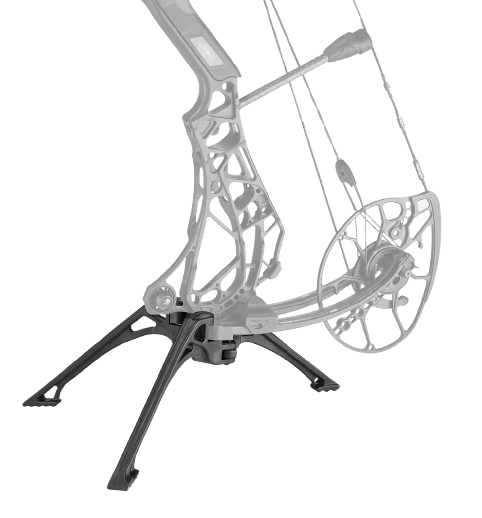
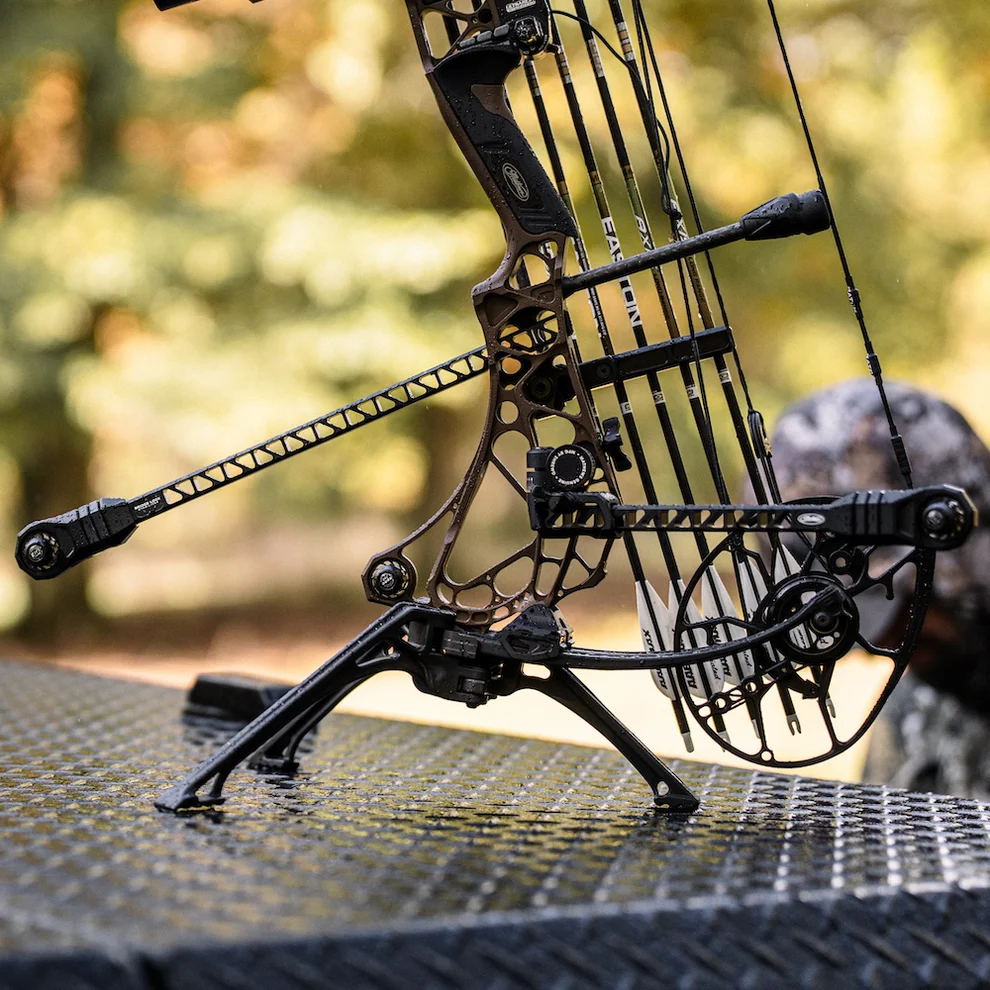
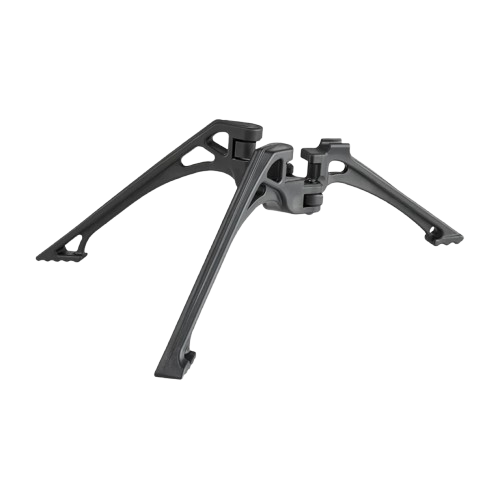
The Engage ARC Limb Legs® are simple, silent, and easy to use. They balance the bow without requiring the cam or stabilizer to touch the ground. Engineered around the bow’s geometry, the new lightweight, ergonomic design adds a new degree of balance and precision to your hunting setup. Specifically designed for the 2026 ARC.
Choosing your first compound bow can feel overwhelming, but focusing on the right factors will set you up for success and help you avoid common beginner mistakes. Whether you're interested in target archery or bowhunting, here's what every new archer should consider when buying a beginner compound bow. 1. Determine Your Draw Length Your draw length is one of the most important measurements. It ensures proper form, accuracy, and comfort. A simple way to estimate it is to divide your arm span (in inches) by 2.5. For best results, visit an archery pro shop for a professional fitting — an incorrect draw length can cause poor accuracy and even injury. 2. Select the Right Draw Weight As a beginner, start with a lower draw weight that you can comfortably draw and hold. Most beginners do well with 40–50 lbs (or even lower for youth and smaller-framed shooters). Look for adjustable compound bows that let you increase weight as your strength and technique improve — this “grow-with-you” design is ideal for first-time buyers. 3. Consider Axle-to-Axle Length and Brace Height Longer axle-to-axle (ATA) bows (32–34 inches) are generally more forgiving and stable, making them excellent for beginners. A higher brace height (6.5–7.5 inches) also offers more forgiveness on imperfect shots. Shorter bows are more maneuverable for hunting but less forgiving for new archers. 4. Test the Feel and Smoothness Draw cycle smoothness, let-off percentage, and overall balance matter a lot. A smooth-drawing beginner compound bow with good let-off (65–80%) reduces fatigue and helps you focus on form. Always try before you buy at a local shop. 5. Set a Realistic Budget Quality first compound bows for beginners range from $300–$800 for a ready-to-shoot package (including sight, rest, quiver, and arrows). Avoid ultra-cheap options that lack adjustability. Pro Tip: Visit our archery pro shop for great options that meets every category of archers and get expert advice and suggestions when getting your first bow. Many top beginner compound bows in 2026 offer wide adjustment ranges and excellent value. By prioritizing proper fit (draw length & weight), forgiveness, and adjustability, you'll enjoy archery more and progress faster with your first compound bow. Finding the best budget compound bows under $500 is easier than ever, with several excellent options that deliver great performance without breaking the bank. These beginner-friendly bows are perfect for new archers who want quality, adjustability, and value in an affordable package. Here are some of the top things to look for when choosing a budget compound bow under $500: Top Picks for Best Budget Compound Bows Under $500 Popular choices in this price range often include reliable models from brands like Bear, Diamond, Hoyt, Mathews and PSE. These bows typically offer solid speed, good accuracy, and enough features to keep beginners motivated without overspending. If you're just starting out, a quality budget compound bow under $500 can provide everything you need for target practice or even introductory bowhunting. Always test the bow at a local archery shop if possible, to ensure proper fit. Pro Tip: Focus on adjustability and forgiveness rather than maximum speed when shopping in the sub-$500 category. This approach helps new archers build proper form and enjoy the sport longer. Proper compound bow tuning is one of the most important steps to improve your shooting accuracy and consistency. Even the best compound bow won’t perform well if it’s not correctly tuned. Here’s what every archer should know about basic compound bow tuning. Why Compound Bow Tuning Matters A well-tuned bow ensures that your arrow flies straight and impacts where you aim. Poor tuning can cause erratic arrow flight, inconsistent groups, and frustration — especially for beginners. Key Areas of Compound Bow Tuning: Pro Tip for Better Accuracy: Start by visiting our expert page for tuning advice, then fine-tune at home. Even small adjustments in arrow rest position or nocking point can dramatically improve your groups. Regular compound bow tuning keeps your setup performing at its best and helps you shoot tighter, more consistent groups — whether you’re practicing in the backyard or preparing for hunting season. Learning how to wax a bowstring properly is one of the easiest and most important ways to maintain your compound bow, increase its lifespan, and improve shooting consistency. A well-waxed string resists fraying, reduces wear, and helps the bow perform smoothly. Why Waxing Your Bowstring Matters Wax protects the bowstring fibers from moisture, dirt, and UV damage. It also reduces friction between the string and cams, leading to quieter shots and better accuracy. Most experts recommend waxing your string every 100–200 shots or after every practice session if you shoot frequently. How to Wax a Bowstring Properly (Step-by-Step): Pro Tip: Always wax your bowstring when it feels dry, fuzzy, or looks dull. Never use candle wax or household products — they can damage the string. Properly waxing your bowstring takes less than 5 minutes but can significantly extend the life of your string and cables while keeping your compound bow shooting accurately and quietly. Choosing the best draw weight for a beginner is crucial for building proper form, avoiding injury, and enjoying archery from day one. Starting with the wrong draw weight is one of the most common mistakes new archers make. Recommended Draw Weight for Beginners For most adult beginners, the ideal starting draw weight is 40 to 50 pounds. Youth and younger teens usually start much lower, typically between 20–40 lbs, depending on age and strength. Why Starting Light Is Better A draw weight that is too heavy forces you to struggle, leading to poor shooting form, muscle fatigue, and even shoulder or back strain. Starting with a manageable weight allows you to focus on technique, consistency, and accuracy. As your strength and form improve, you can gradually increase the draw weight. Best Practice for Beginners Look for adjustable compound bows that offer a wide draw weight range (e.g., 30–70 lbs). This “grow-with-you” design lets you start low and increase weight in 5–10 lb increments as you get stronger — without needing to buy a new bow. Pro Tip: The best draw weight for a beginner is one that feels comfortable and allows you to shoot with proper technique — not the heaviest you can pull. How to Choose Your First Compound Bow?
How to Choose Your First Compound Bow: Beginner’s Guide
Best Budget Compound Bows Under $500 in 2026
Best Budget Compound Bows Under $500
How To Tune a Compound Bow for Better Accuracy?
Compound Bow Tuning for Better Accuracy: Beginner’s Guide
How to Wax a Bowstring Properly?
How to Wax a Bowstring Properly: Step-by-Step Guide
What Is the Best Draw Weight for a Beginner?
What Is the Best Draw Weight for a Beginner Compound Bow?
Reviews
There are no reviews yet.